Your Gut Is Running the Show - And It's Time You Knew
Millions of bacteria live inside you. Some are helping you. Some are literally hijacking your brain to make you eat sugar. Here's the wild science of your gut, and how India already cracked the code centuries ago.
Your Gut Is Running the Show - And It's Time You Knew
Let's talk about the invisible universe living inside you.
You Are Not Just You
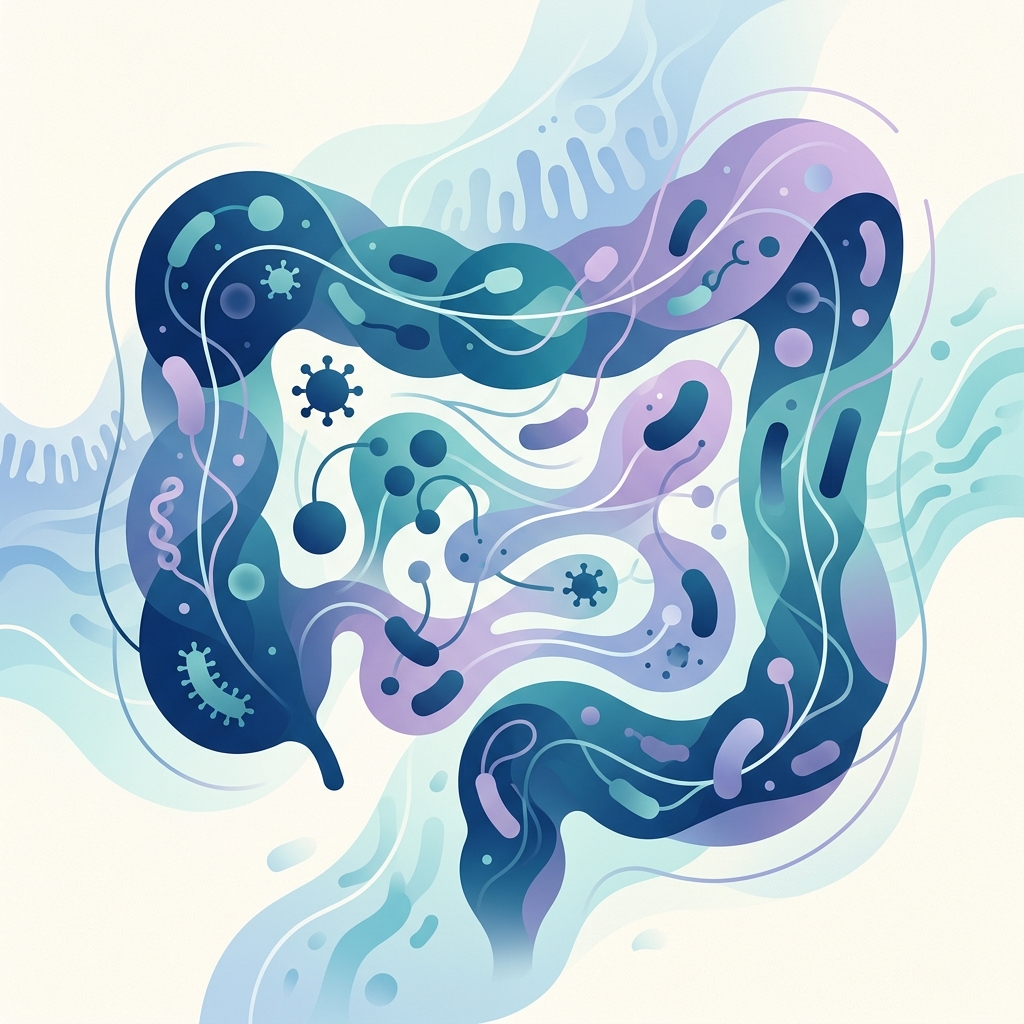
Here's something that will mess with your head: the human body contains about 37 trillion human cells. But it also hosts roughly 38 trillion microbial cells - bacteria, fungi, viruses - most of them living in your gut.
So mathematically? You're almost 50% bacteria.
You're not just a person. You're a walking ecosystem.
These trillions of microorganisms - collectively called the gut microbiome - live in your digestive tract and do everything from helping you digest food, to producing vitamins, to training your immune system, to... well, whispering into your brain about what to eat next.
And that last part? That's where things get genuinely strange.
The Sugar Craving That Isn't Really Yours
You know that feeling at 11pm when you need something sweet? When you open the fridge not even knowing what you want, but somehow end up eating biscuits you didn't even buy?
Science says: that might not be you.
It might be your bacteria.
Here's how this actually works. Your gut is home to both "good" bacteria (which help you digest, produce vitamins, protect your gut lining) and "bad" bacteria - microbes that thrive on sugar and refined carbs. These bad actors don't just passively sit there eating whatever you give them. They actively lobby your brain for more.
Harmful gut bacteria feed on sugar. When sugar supplies run low, they send chemical signals through a system called the gut-brain axis - essentially a biological hotline between your stomach and your brain. Through this communication highway, bacteria can influence the hormones that regulate hunger, mood, and cravings. They can literally make your brain think your body needs quick energy from sugar, even when you're not actually hungry.
A 2025 study published in Nature Microbiology confirmed exactly this: sugar cravings are partly driven by the gut microbiota. Researchers found that a gut bacteria called Bacteroides vulgatus produces a metabolite called pantothenate (Vitamin B5) that triggers GLP-1, the same appetite-regulating hormone that the blockbuster drug Ozempic mimics. When this bacteria is less abundant - which happens in people who eat a lot of sugar - the craving spirals get worse.
One species worth knowing about is Candida albicans, a yeast that lives in the gut. It uses simple sugars as its primary energy source, and when it overgrows, it may amplify signals pushing your body to consume more sugar to sustain its own growth. It's essentially farming you.
The point is: your cravings have a microbial agenda.
The Gut-Brain Axis: Your Bacteria Have a Hotline to Your Head
The gut-brain axis is the bidirectional communication network between your digestive system and your central nervous system. It operates through:
- The vagus nerve: the longest nerve in the body, connecting your gut to the base of your brain, acting as the main expressway for gut-to-brain signals
- Neurotransmitters: your gut produces dopamine, serotonin, GABA, and other brain chemicals. In fact, about 90% of the body's serotonin is produced in the digestive tract
- Hormones: bacteria influence hormones like ghrelin (hunger) and leptin (satiety), effectively controlling when you feel hungry or full
- Short-chain fatty acids (SCFAs): metabolites bacteria produce that can modulate mood, reduce inflammation, and shape how your brain responds to food
When bad bacteria dominate your gut, they trigger inflammatory responses that disrupt normal hunger and satiety signals. They make the gut lining leaky (called "leaky gut"), which allows inflammatory molecules into the bloodstream and eventually the brain, causing brain fog, mood dips, and - more cravings.
So the loop goes: sugar feeds bad bacteria -> bad bacteria send craving signals -> you eat more sugar -> bad bacteria grow stronger -> repeat.
What Happens When You Just... Let Them Starve?
Here's the part that nobody tells you but that actually makes sense once you know the biology.
If bad bacteria need sugar to survive, just stop feeding them.
Yes, the first few days are brutal. When you cut sugar suddenly, those bacteria start dying, and the process isn't quiet. You might feel:
- Headaches
- Irritability
- Intense cravings (this is the bacteria fighting back - they want to survive)
- Bloating, brain fog, low energy
This is sometimes called a "die-off" - your gut is in civil war. The opportunistic bacteria that thrived on your previous diet are being starved out.
But here's the timeline of what actually happens when you hold the line:
Days 1-2: The cravings are real and they feel urgent. Your brain is receiving distress signals. Hold on.
Days 3-5: Cravings start to shift. Your taste buds begin to recalibrate. Foods that didn't taste sweet before - carrots, a banana, plain yogurt - start to taste noticeably sweeter.
Days 5-7: Energy stabilizes. Bloating reduces. Mood improves. Your gut lining is beginning to renew itself (the gut lining regenerates every 2-3 weeks).
Week 2-3: Most people report that the intense sugar pull is gone. Not because you have superhuman willpower - but because the bacteria that were demanding sugar are thinning out, and the good bacteria that don't need it are growing back.
Week 3-4: Gut diversity begins to improve. Research shows that people with higher microbiome diversity are less likely to experience strong sugar cravings throughout the day. You're not just resisting sugar - you're rebuilding the ecosystem that doesn't need it.
The science backs this up: studies show that unhealthy bacteria in your gut will begin to die off when you remove their food source, and with them, the cravings decrease.
You're not fighting your willpower. You're waiting out a siege.
The Desi Hack That Was Ahead of Its Time: Kanji
While the West discovered "gut health" in the last decade, India's grandmothers had figured it out centuries ago.
Enter Kanji, India's original probiotic drink.
Kanji is a traditional fermented drink made primarily in North India (Punjab, Delhi, UP) in the weeks leading up to Holi, when winter black carrots and beetroots are at their sweetest. It's made by fermenting vegetables with mustard seeds and spices in water, left under the sun for 3-5 days. The result is tangy, slightly spicy, slightly sour, and deep purple-red in color.
No preservatives. No additives. Just sunlight and time.
The fermentation process creates lactic acid bacteria (the same kind found in yogurt and kimchi) which are live probiotic cultures that replenish good gut bacteria, improve digestion, reduce bloating, and support the immune system.
Think of it as India's kombucha, except older, cheaper, and far more interesting.
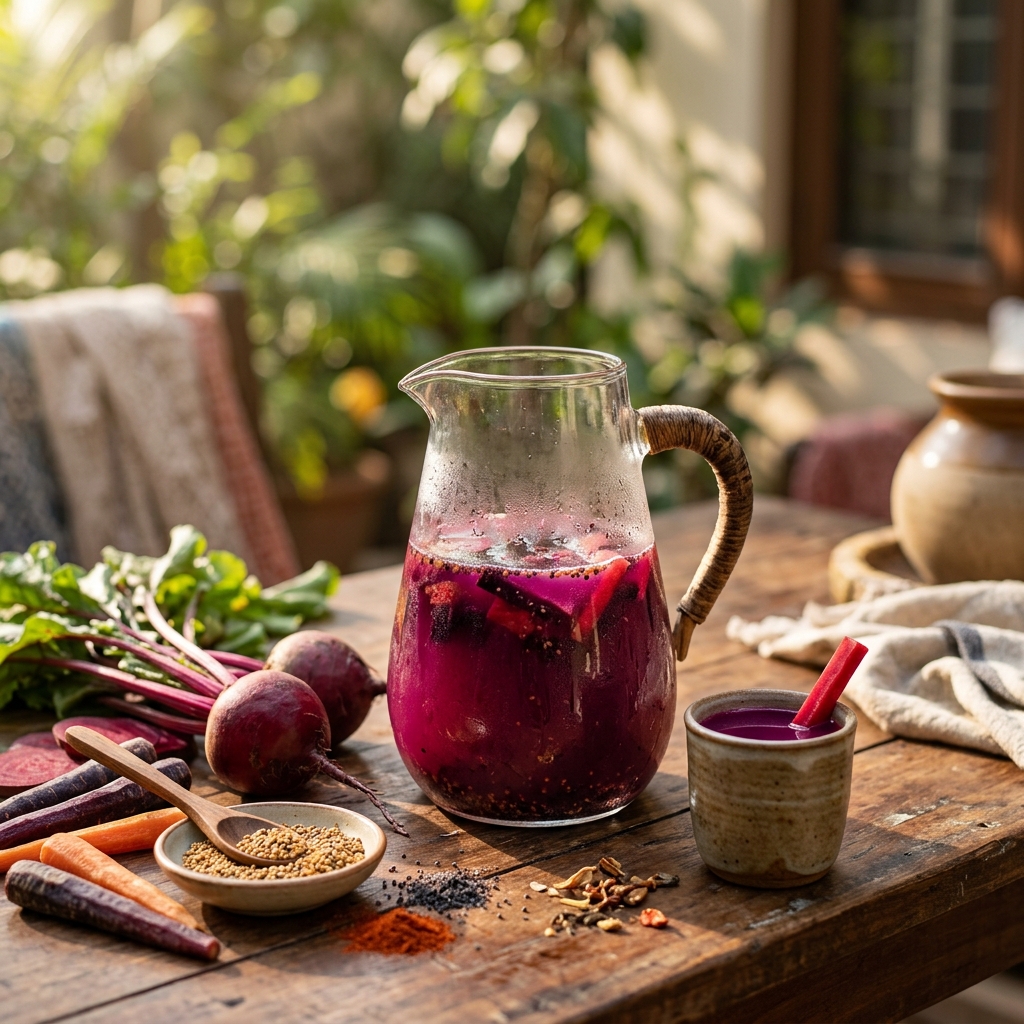
How to Make Classic Gajar-Beetroot Kanji at Home
Ingredients:
- 3-4 black or purple carrots (or regular red carrots work too)
- 1-2 small beetroots
- 2 tbsp mustard seeds, coarsely ground
- 1 tbsp rock salt (sendha namak)
- 1/2 tsp red chilli powder
- 1/4 tsp turmeric
- 8 cups water (boiled and cooled)
Method:
- Wash, peel, and cut carrots and beetroots into thin sticks or batons
- Add to a clean glass jar or mud pitcher (do not use metal)
- Add mustard seed powder, salt, chilli powder, and turmeric
- Pour in the cooled water and stir well
- Cover the mouth with a muslin cloth or thin cotton (not a sealed lid - it needs to breathe)
- Place in sunlight for 3-5 days, stirring once daily
- Taste from Day 3 - it should be tangy with a pungent mustard kick
- Once the tanginess is right, strain into the fridge - it keeps for 4-5 days
Serve cold, one glass daily. The pickled carrots and beets can be eaten in salads.
Note: Do not freeze - freezing destroys the live cultures.
Kanji's Gut Benefits (the Science)
- Rich in live probiotics: lactic acid bacteria formed during fermentation help restore the balance of gut microbiota
- High in antioxidants: beetroot and carrots contain beta-carotene, lutein, and anthocyanins
- Vitamin K, Vitamin C, potassium, and manganese: all present naturally
- Anti-inflammatory: mustard seeds and turmeric both have documented anti-inflammatory properties
- Low in sugar: unlike most commercial probiotic drinks, kanji feeds the good bacteria, not the bad
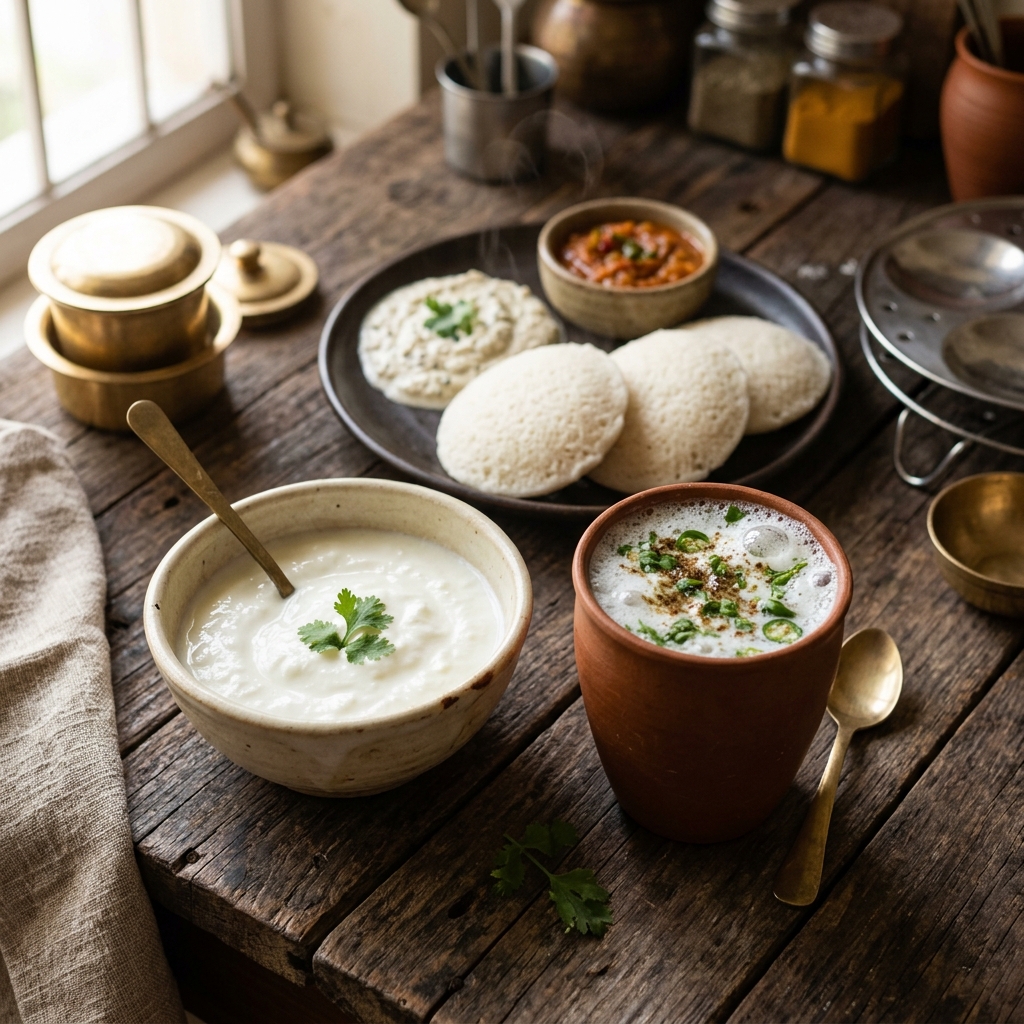
Other Indian Fermented Drinks Worth Knowing
India's traditional food wisdom has always understood that fermented foods = gut health, even before the word "probiotic" existed.
Rice Kanji (South India): Made from leftover fermented rice and water, this is a South Indian staple that's been consumed for centuries. It supports digestion, reduces bloating, and is particularly soothing for the gut lining. Simple, cheap, and powerful.
Chaas / Buttermilk: The post-meal digestive staple across India. Fermented, cooling, filled with Lactobacillus cultures. There's a reason every Indian grandmother insisted on it after lunch.
Idli & Dosa batter: The 8-hour fermentation process that transforms rice and urad dal into a probiotic-rich food. South Indian breakfast is accidentally the most gut-healthy meal in the world.
Lassi: Yogurt-based, fermented, full of live cultures. The sweet version feeds bad bacteria too much; the salted or plain version is the better gut choice.
Wait, Your Skin Has Bacteria Too? (Yes, and They're Helping You)
You might think bacteria equal bad. Wash your hands, use sanitizer, keep things sterile. But here's a plot twist: your skin is also covered in about a thousand species of bacteria and other microbes, collectively called the skin microbiome.

Your skin is your largest organ, and it acts as the main barrier between you and the environment. The bacteria that live on it are not intruders; they're residents. They've been co-evolving with humans for millennia, and they perform jobs that your body cannot do alone.
Here's what skin bacteria actually do:
They fight off the bad guys. Good skin bacteria like Staphylococcus epidermidis produce antimicrobial substances that prevent harmful bacteria from gaining a foothold on your skin. Essentially, your resident bacteria hold territory so dangerous microbes can't move in. Researchers found that S. epidermidis produces a compound that helps protect the skin from water loss and damage, and its absence is linked to conditions like atopic dermatitis (eczema).
They train your immune system. Skin bacteria stimulate the production of antimicrobial peptides, and they interact with immune cells to promote what scientists call "regulatory T cell responses" - essentially teaching your immune system what's safe and what's a threat, helping prevent autoimmune overreaction.
They maintain your skin barrier. The skin microbiome helps regulate lipid production and other components essential for keeping your skin hydrated and protected against environmental damage. Good skin bacteria quite literally help your skin hold itself together.
They prevent acne and inflammation: by keeping the balance of skin microbiota healthy, they limit the overgrowth of Cutibacterium acnes (the bacteria associated with acne) and reduce inflammatory signals.
What disrupts the skin microbiome? Exactly what you'd expect: harsh soaps, excessive sanitizer use, antibiotics, pollution, stress, and a poor diet. When the skin microbiome is disrupted, conditions like eczema, psoriasis, rosacea, and chronic acne often follow.
This is why dermatologists have started talking about skin probiotics - topical or oral interventions that restore the balance of the skin's bacterial ecosystem. The connection is real: a healthy gut microbiome and a healthy skin microbiome often go hand in hand, because inflammation that starts in the gut can show up on your skin.
The gut-skin axis is an emerging field, and science is beginning to validate what Ayurveda has been saying forever: your skin reflects what's happening inside.
The Simple Framework: Feed the Right Ones
Here's the thing nobody said clearly enough: you are not just eating for yourself. You are eating for trillions of microorganisms that live inside you - on your skin, in your gut, across every surface of your body.
Every meal is a vote. You're either feeding the bacteria that help you, or the ones that manipulate you.
Feed the good bacteria with:
- Fermented foods: kanji, curd, idli, dosa, chaas, kimchi, kombucha
- High-fiber vegetables: leafy greens, carrots, beetroot, onions, garlic
- Whole grains: oats, millets, brown rice
- Legumes: dal, beans, lentils - excellent prebiotic food for good bacteria
- Fruits (in moderation - natural sugar is still sugar, but the fiber slows it)
Starve the bad bacteria by avoiding:
- Refined sugar and sugary drinks
- Ultra-processed foods and packaged snacks
- White bread and maida-heavy foods
- Excessive alcohol
- Overuse of antibiotics when not medically necessary (they kill good bacteria too)
Protect your skin microbiome by:
- Not over-washing with harsh soaps
- Using gentle, pH-balanced cleansers
- Staying hydrated (skin barrier needs moisture)
- Eating an anti-inflammatory diet (what's good for your gut is good for your skin)
The Honest Bottom Line
You are not just a person with a stomach. You are a walking colony - home to trillions of bacteria that influence your cravings, your mood, your skin, your immunity, and quite literally what you want to eat next.
The sugar craving at 11pm? It might be bacteria talking.
The brain fog after a heavy meal? Could be gut inflammation.
The breakout that appears when you're stressed and eating badly? Your skin microbiome is sending a message from your gut.
The good news is this: you can change your microbiome. It responds fast - studies show shifts in gut bacteria composition within days of changing your diet. And India's traditional food culture (the kanji, the chaas, the fermented breakfasts) was already the answer.
You don't need supplements. You don't need expensive probiotic drinks with complicated names.
You need your grandmother's recipe. And the patience to let the bad bacteria starve.
Disclaimer: I'm an engineer who got obsessed with gut health and went down a research rabbit hole. This is not medical advice. Talk to a doctor if you have specific health concerns, but also, make the kanji.
Sources & Further Reading
- Nature Microbiology (2025): Gut microbiota and sugar cravings via Bacteroides vulgatus
- Scientific American - "Your Candy Cravings Might Be Controlled by This Gut Bacterium"
- Psychology Today - Gut-Brain Axis research overview
- NIH Research Matters - Skin bacteria compound (S. epidermidis) protects skin
- Frontiers in Immunology - Skin microbiome and immune regulation
- Harvard Health - Probiotics, gut-brain axis, and serotonin production
- Traditional kanji recipes: family traditions across North India, Punjab, UP, Delhi
Have a suggestion or feedback?
Let me know what you think of this post, or suggest what I should write next.